


Blog
Overcoming Patellar Tendinitis (Jumper's Knee) with SoftWave Therapy at Thrive Chiropractic
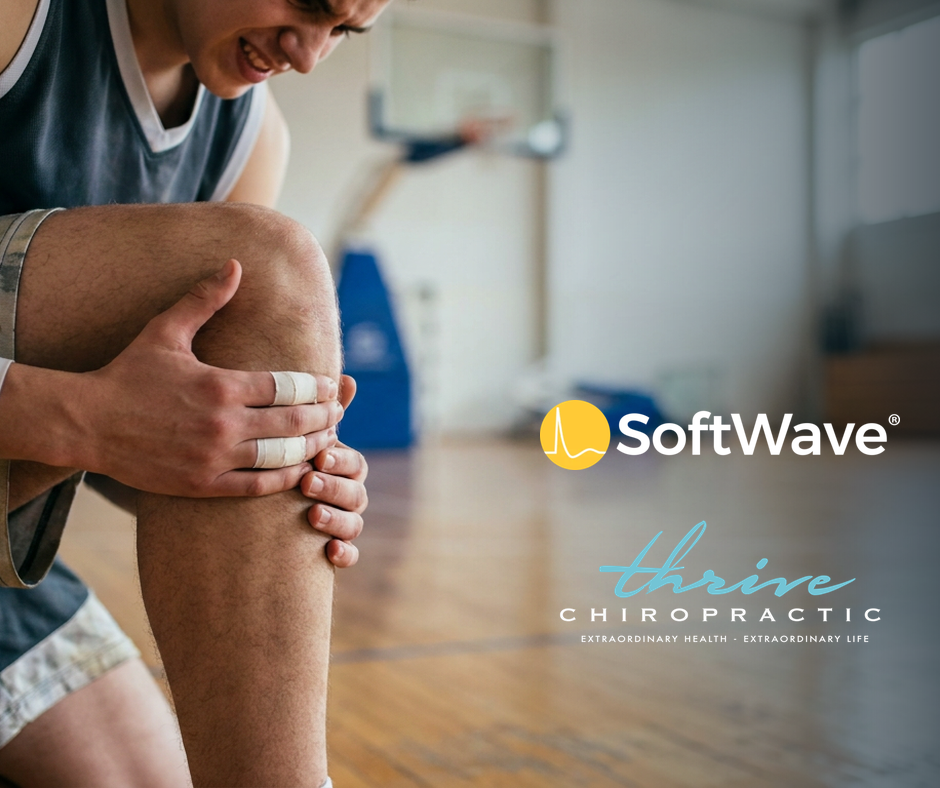
Patellar tendinitis, better known as jumper's knee, is one of the most common causes of pain at the front of the knee in active people. Basketball and volleyball players, runners, cyclists, soccer players and weekend warriors all put repeated stress on the patellar tendon, and once it becomes irritated it can be stubborn to heal. At Thrive Chiropractic in Westlake Village, California, Dr. Laura Willis and Dr. Mike Willis use SoftWave Tissue Regeneration Technology to help athletes and active adults overcome patellar tendinitis without surgery, injections or medication. This advanced treatment uses electrohydraulic supersonic acoustic waves to reduce pain, improve blood flow and stimulate the body's natural healing response in the tendon.
What Is Patellar Tendinitis (Jumper's Knee)?
The patellar tendon connects the bottom of the kneecap (patella) to the shinbone (tibia). It works with the quadriceps muscles to straighten the knee and absorb force when you jump, land, run, squat and climb stairs. When the tendon is loaded more than it can recover from, tiny areas of damage develop. Over time, the tendon can become painful, thickened and weakened. Because chronic cases often involve tendon degeneration rather than true inflammation, many experts now call it patellar tendinopathy.
Common Symptoms of Jumper's Knee
- Pain Just Below the Kneecap: Tenderness right where the tendon attaches to the bottom of the patella.
- Pain With Jumping and Landing: Discomfort during explosive activity or when landing from a jump.
- Pain on Stairs and Squats: Going down stairs, kneeling or getting up from a chair can be painful.
- Warm-Up Pain: Pain at the start of activity that may ease once warmed up and then return afterward.
- Stiffness: Tightness at the front of the knee after sitting for long periods or first thing in the morning.
Who Gets Patellar Tendinitis?
Jumper's knee is especially common in basketball, volleyball, track and field, soccer and tennis, but we also see it in runners training on the hills around Westlake Village, cyclists, CrossFit and fitness class participants and anyone who increases training volume quickly. Risk factors include tight quadriceps and hamstrings, weak hip and glute muscles, poor landing mechanics, hard playing surfaces and sudden increases in training.
Why Jumper's Knee Is So Stubborn
Tendons have a relatively poor blood supply, so they heal slowly. Rest may ease the pain, but the tendon often remains weak, and symptoms return as soon as the athlete gets back to play. Cortisone injections are generally avoided in weight-bearing tendons like the patellar tendon because of concerns about weakening the tissue. This is why many athletes and sports medicine providers look for regenerative options that address the tendon itself.
How SoftWave Therapy Helps Patellar Tendinitis
Shock wave therapy has been studied extensively for patellar tendinopathy and is widely used by sports medicine professionals. SoftWave's unique unfocused wave treats the entire tendon and the surrounding tissue in each session:
- Stimulates Tendon Healing: Acoustic waves activate the body's repair processes, helping damaged tendon fibers remodel and strengthen.
- Improves Blood Flow: SoftWave stimulates eNOS (endothelial nitric oxide synthase) and VEGF (vascular endothelial growth factor), promoting new blood vessel formation and better nutrient delivery to the tendon.
- Decreases Pain: Treatment helps reduce pain signaling, making it easier to complete the strengthening exercises that are essential for long-term recovery.
- Modulates Inflammation: SoftWave helps balance the body's inflammatory response in irritated tissue.
- Activates Stem Cells: The therapy stimulates, activates and mobilizes the body's own stem cells for tissue regeneration.
- Minimal Downtime: No needles or medications, and most athletes can keep training with modifications.
Pain Below Your Kneecap? Request Your SoftWave Consultation Here!
The Best Results Combine SoftWave With Smart Loading
Research shows that tendons heal best when they are progressively loaded. At Thrive Chiropractic, SoftWave Therapy is often combined with a structured exercise plan, such as slow, heavy strengthening and isometric holds, along with hip and core strengthening and chiropractic care to improve alignment and movement through the hips, knees and ankles. This combined approach addresses both the injured tissue and the mechanics that caused the problem in the first place.
What to Expect at Thrive Chiropractic
Your first visit includes a consultation and examination with Dr. Laura or Dr. Mike Willis. We'll evaluate your knee, hips and feet, look at how you squat and land, and discuss your training schedule and goals. SoftWave sessions are quick and done right in the office, with most care plans involving a series of weekly treatments. Many athletes notice less pain within the first few visits, with continued improvement as the tendon strengthens. We'll also share a clear return-to-sport plan so you know exactly when it is safe to resume jumping, sprinting and full competition.
Frequently Asked Questions About SoftWave for Jumper's Knee
Can I keep training during treatment?
In many cases, yes. Dr. Laura and Dr. Mike will help you adjust your training so you stay active while the tendon heals.
Is SoftWave safe for teen athletes?
SoftWave can be appropriate for many younger athletes. Each case is evaluated individually, especially in athletes who are still growing.
What about Osgood-Schlatter or runner's knee?
These are related but different conditions. An accurate exam will determine the true source of your knee pain and the right plan of care.
How is SoftWave different from laser or ultrasound therapy?
SoftWave delivers acoustic shock waves that stimulate a biological healing response, which goes beyond the surface-level effects of many other therapies.
Take Action: Get Back to Jumping, Running and Playing
Don't let jumper's knee bench you for another season. Athletes and active adults from Westlake Village, Thousand Oaks, Agoura Hills, Oak Park, Calabasas and Newbury Park trust Dr. Laura and Dr. Mike Willis to help them heal and perform at their best.
Contact Thrive Chiropractic Today
- Address: 910 Hampshire Rd Suite U, Westlake Village, CA 91361
- Phone: (805) 908-0111
Dr. Laura and Dr. Mike are committed to helping you recover faster and stay active for life. Schedule your consultation today and discover how SoftWave Therapy can help relieve patellar tendinitis and get you back in the game!
Jumper's Knee? Schedule SoftWave Therapy Online Here!
‹ Back




 910 Hampshire Rd., Suite U

